Itombwe Génération pour l'Humanité (IGH) was created in 2014 in response to the needs of local communities to work on the conservation and sustainable management of the incredibly rich biodiversity found in Itombwe Mountains of Democratic Republic of Congo.
Community Engagement
We’re the largest and the only non-profit organization in Democratic Republic of Congo whose sole mission is to protect biodiversity and forest of the Itombwe Mountains to care for nature and fight climate change.
Climate Action
We are committed to protect the 826,287 hectares of largely intact wilderness that make up the Itombwe nature reserve, and a network of surrounding community forest areas
“At IGH, we matter as guardians of Itombwe's biodiversity. Since 2014, we've protected wilderness, planted trees, empowered communities, and combated poaching. Together, we secure Itombwe's natural legacy for a sustainable future.”
Eo Léonard
Our Impact
0
Trees from 13 native species planted in Itombwe through community reforestation and regeneration programs
0
households having improved their means of subsistence in Itombwe through empowerment of local communities
0
ongoing community–based conservation programs to protect animals and plants of Itombwe from extinction
0
Snares removed through community antipoaching patrol operations
0ha
Communities we work with are protecting 826,287 ha in size of largely intact wilderness in Itombwe
0
Most threatened species now protected and monitored in Itombwe
What Animals Species Live In Itombwe Mountains?
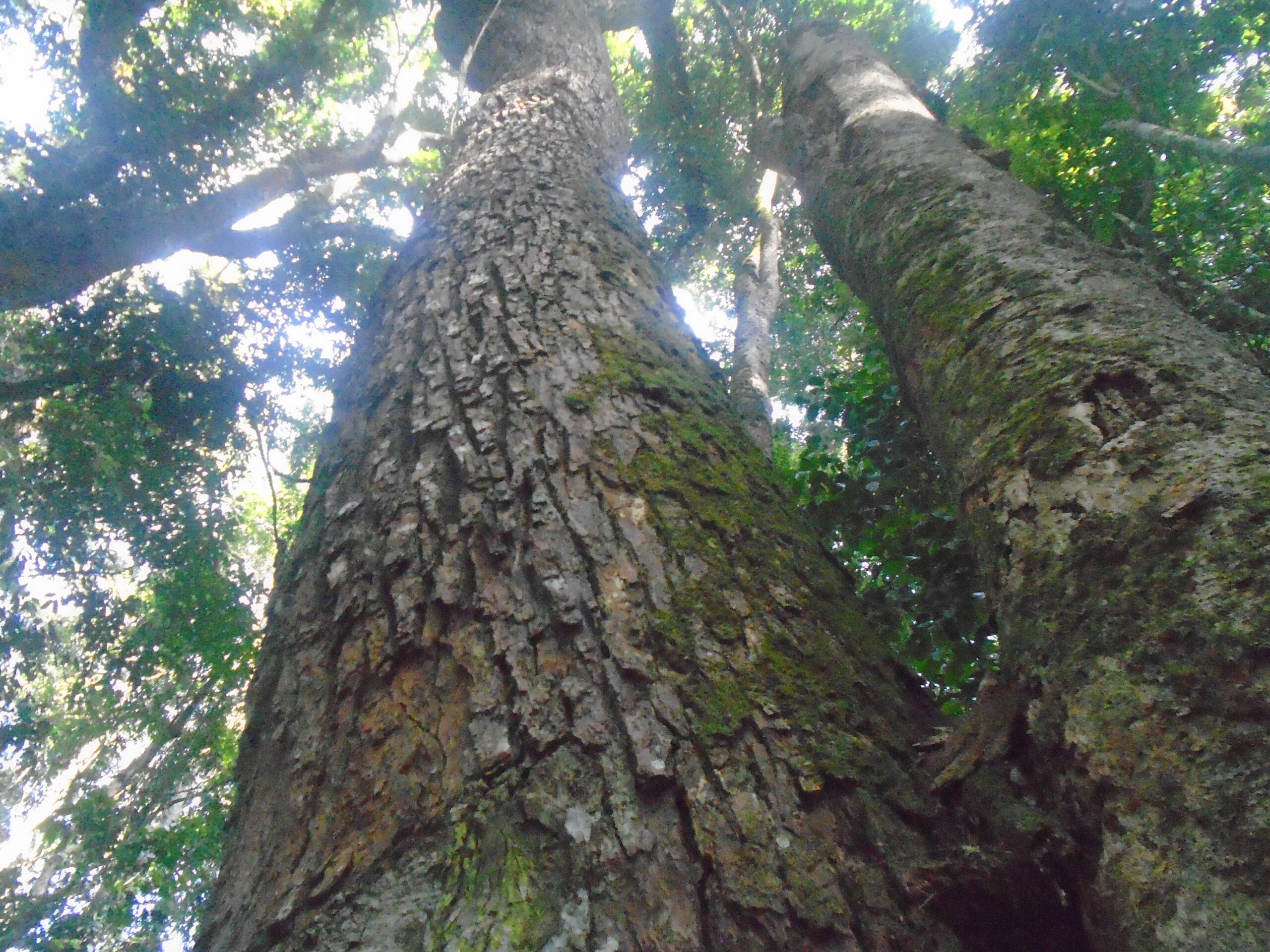
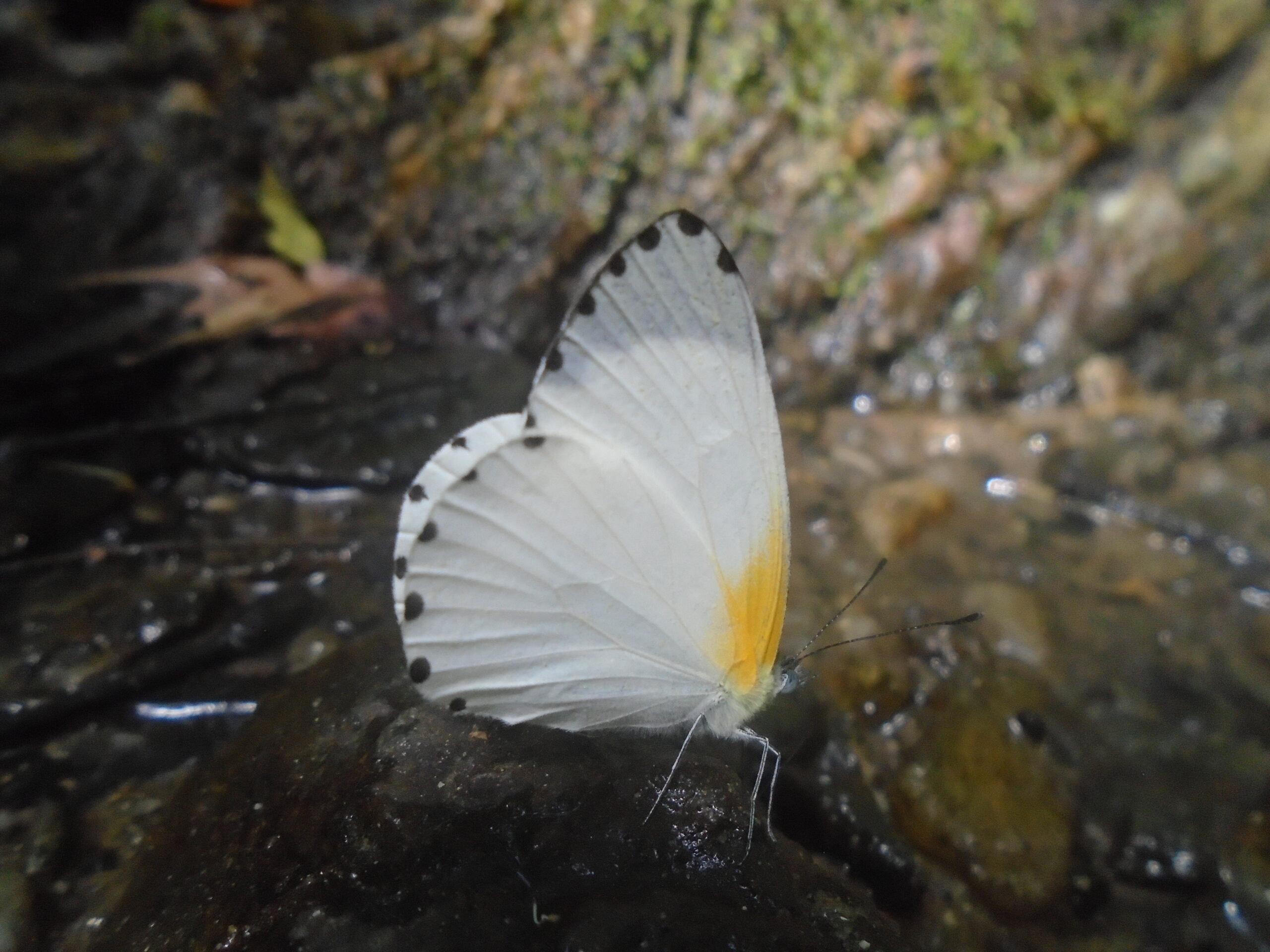
The Itombwe Mountains are composed of tropical rain forest and grasslands home to several terrestrial species, including primates, ungulate, birds, reptiles, amphibians, and other mammals, as well as birds and freshwater fish!
IGH do not focus on a single species, but is fighting to save most threatened species found across Itombwe Mountains that have been assessed by the IUCN Red List as facing much more serious danger of becoming extinct.
Since its inception in 2014, IGH uses sustainable approaches to protect the Itombwe rainforest and its biodiversity. Click on the photographs below to learn more on our activities and achievements!